New Home Services · 10 Mar · 10 min read
What Is Included in a Standard New Home Inspection in Maryland?
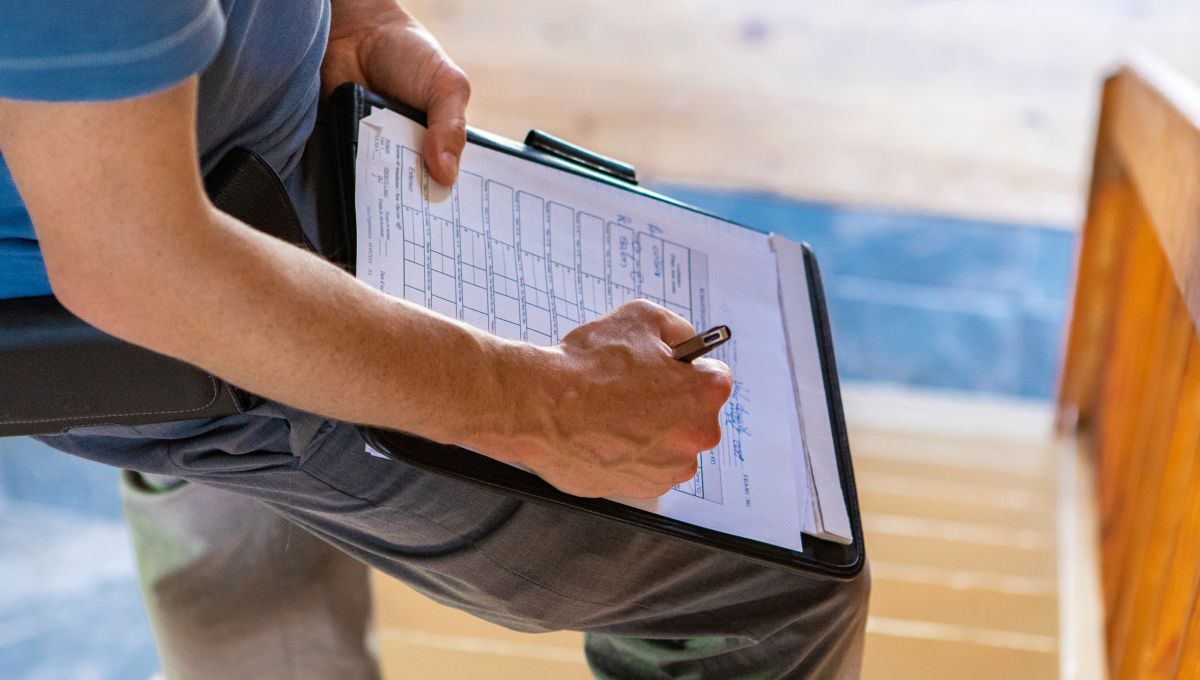
A new construction home may look perfect at first glance, but even brand-new homes can have defects or unfinished details. A new home inspection provides an independent evaluation of the property before closing to make sure the home meets expected construction and safety standards.
In Maryland, licensed home inspectors must follow the Maryland Standards of Practice, which are established by the Maryland Commission of Real Estate Appraisers, Appraisal Management Companies, and Home Inspectors. These standards outline the systems and components that must be evaluated during a professional inspection.
At Century Inspections, our new home inspections go beyond these minimum requirements with an additional "Fit & Finish" review designed to identify cosmetic issues and installation problems that are often overlooked.
The Century Difference: Fit & Finish Inspection
Most standard inspections focus only on major systems and structural components. Our Fit & Finish inspection adds a detailed review of the cosmetic and installation quality of the home.
This includes inspection of:
- Interior trim and moldings
- Flooring installation and alignment
- Drywall surfaces and paint quality
- Doors, locks, and hardware
- Window operation and seals
- Visible cosmetic defects such as dents, scratches, or incomplete finishes
Century Inspections evaluates more than 1,000 new homes each year as an independent third-party inspector. Builders and contractors recognize our inspections for maintaining the quality standards established by the American Association of Home Builders.
When you walk into your home for the first time after closing, it should feel complete. Our job is to help ensure it does.
Systems and Components Included in a New Home Inspection
A standard new construction inspection covers all accessible systems and structural components of the home.
Structural Systems
The inspection evaluates the overall structure of the home, including:
- Foundation and visible structural framing
- Basement and crawlspace areas
- Load-bearing walls, ceilings, and floors
- Roof structure and framing components
Inspectors also look for signs of:
- Structural movement
- Foundation settlement
- Water intrusion or moisture damage
Exterior
Exterior components are inspected to verify proper installation and weather protection.
Areas evaluated include:
- Roof coverings, shingles, and flashing
- Gutters and downspouts
- Skylights, chimneys, and roof penetrations
- Siding, trim, and exterior finishes
- Doors and windows
- Decks, balconies, railings, and steps
- Driveways, walkways, and grading around the home
When permitted by FAA regulations, drone roof inspections may also be used to safely examine areas that are difficult to access.
Garage components are also inspected, including:
- Garage doors and openers
- Fire-rated doors between the house and garage
- Garage windows and structural components
Interior
The interior inspection focuses on the condition and functionality of accessible components throughout the home.
This includes:
- Walls, ceilings, and flooring
- Doors and windows
- Staircases and railings
- Cabinets and countertops
- Built-in features and fixtures
Inspectors also look for signs of:
- Moisture damage
- Cracks or settlement indicators
- Safety concerns throughout the living space
Plumbing System
The plumbing inspection evaluates the condition and function of the home's water and drainage systems.
Components inspected include:
- Water supply piping and distribution lines
- Plumbing fixtures and faucets
- Drain, waste, and vent systems
- Water heaters and related connections
Electrical System
The electrical inspection reviews visible wiring and electrical safety features throughout the property.
This includes:
- Service entrance wiring and service panels
- Electrical panels and subpanels
- Outlets, switches, and lighting fixtures
- Proper grounding and bonding
- GFCI and AFCI protection where required by code
Heating and Cooling (HVAC)
Heating and cooling systems are inspected to verify proper installation and operation.
The inspection evaluates:
- Furnaces, boilers, and heat pumps
- Central air conditioning systems
- Air distribution ductwork
- Thermostats and control systems
Insulation and Ventilation
Proper insulation and ventilation help maintain energy efficiency and prevent moisture problems.
The inspection checks:
- Attic insulation levels
- Attic ventilation systems
- Crawlspace vapor barriers and ventilation
- Bathroom, kitchen, and laundry exhaust systems
Fireplaces and Solid Fuel Appliances
If the home includes fireplaces or similar appliances, inspectors evaluate:
- Firebox condition
- Clearances from combustible materials
- Visible venting components
Built-In Appliances
When present, permanently installed appliances are inspected for operation and installation quality, including:
- Ovens and ranges
- Dishwashers
- Other built-in kitchen appliances
Outbuildings
Detached structures such as sheds or accessory buildings can also be inspected for an additional fee.
These inspections may include evaluation of:
- Structural components
- Electrical systems
- Plumbing and mechanical features
Additional Quality Checks Included in the Century Inspection
Century Inspections provides several additional checks beyond Maryland's minimum inspection standards.
Our inspectors:
- Evaluate landscaping, hardscaping, paint, caulking, gutters, lighting, and exterior trim for visible defects
- Inspect every room to verify proper installation of doors, locks, windows, trim, flooring, and fixtures
- Check walls and ceilings to confirm they are straight and properly aligned
- Walk floors and staircases to identify squeaks or subfloor movement
Inspection reports are written in a format that builders and project managers understand, which helps ensure repairs are addressed efficiently.
Our team also communicates directly with project managers if clarification is needed regarding inspection findings.
Limitations of a Maryland Home Inspection
Home inspections in Maryland are visual and non-invasive evaluations.
This means inspectors do not:
- Move furniture or personal belongings
- Cut into walls or ceilings
- Perform destructive testing
Standard inspections also do not include environmental testing such as:
- Radon testing
- Mold testing
- Lead paint testing
- Asbestos testing
These services require specialized equipment and can be scheduled separately if needed.
Why New Construction Inspections Are Important in Maryland
Many home buyers assume new construction homes do not need inspections. However, even newly built homes can have installation mistakes, incomplete finishes, or overlooked construction defects.
A professional new home inspection in Maryland helps ensure the property meets expected quality standards before closing, giving buyers an opportunity to address issues with the builder while they are still responsible for corrections.